Career Opportunities After Becoming a success Certified Technical Trainer

Career Opportunities After Becoming a Certified Technical Trainer

There is a rise in the need for professionals who are able to explain technical information and train teams effectively within various fields. Presently, many companies are spending a lot of money on workforce development, particularly in fields such as oil and gas, safety management, engineering, manufacturing, and industrial processes. This trend has created promising career opportunities for those people who have undergone a train-the-trainer program and become skillful at training, besides being technical experts.

A technical training specialist is much more than an individual who simply gives presentations. He or she is accountable for enhancing workplace competence, making the operations of businesses as efficient as possible, and keeping workers up-to-date on current technological trends. Given that today’s industries are continually adopting increasingly sophisticated systems, technical trainers have become indispensable players in organizational development.

Why Technical Trainers Are in High Demand

Organizations operating within industries that involve complicated processes have to ensure ongoing training for their employees to be productive, safe, and compliant. The preferred method is employing trainers who are certified since they offer learning processes, practical insight, and training skills within organizations.

Technical trainers play important roles in sectors where mistakes in operations may result in safety hazards, financial problems, or non-compliance. Some of the contributions include:

  • Optimize workforce performance
  • Minimize operational errors
  • Stay compliant with industry regulations
  • Increase safety consciousness
  • Foster employee development
  • Formalize training procedures

This often results in certification professionals gaining employment within domestic and international marketplaces.

Career Paths Available After Certification

Being certified as a technical trainer provides access to various careers in different fields of business. Based on the area of specialization and experience, one may opt for careers in corporations, training institutions, industrial companies, or consultancies.

Corporate Technical Trainer

Many firms recruit internal technical trainers responsible for training staff members about systems, machines, safety policies, and operations. As a part of the job, professionals organize workshops, prepare training material, and appraise employee performance.

The most popular industries recruiting corporate trainers are:

  • Oil & gas
  • Petrochemical
  • Manufacturing
  • Construction
  • Engineering
  • Energy and utilities
  • Industrial safety management

Those individuals who love to mentor and have an interest in technical issues prefer this kind of work.

Health and Safety Trainer

Safety and its training are becoming increasingly important in all industrial areas. There is a high demand for professional certified safety trainers possessing relevant skills.

As a safety trainer, an individual may teach the following topics:

  • Workplace risks and dangers assessment
  • Emergency preparedness measures
  • Fire safety policy and procedures
  • Industrial safety management
  • Equipment operation and handling guidelines
  • Environmental safety and health procedures

Individuals who have worked in safety compliance frequently take up leadership roles in the training and development department.

Opportunities in International Training Programs

Multicultural teamwork is essential when it comes to trainers who have received certification from internationally renowned training programs. These professionals often get chances to participate in international projects, offshore ventures, or work in various industrial plants in foreign countries.

Frequently, countries that invest greatly in infrastructure, energy, and industrial growth often require experienced trainers as part of their training programs within their nation-building programs. For those people who are willing to work under diverse conditions, great career opportunities await them.

In most instances, international organizations look for people with knowledge of technicalities and modern approaches to training. Undertaking a professional train-the-trainer course will help individuals combine both abilities.

Freelance and Consulting Opportunities

Every trainer does not need to opt for a career in the corporate world full-time. There are many professionals who become independent and work as consultants or even trainers on their own.

Such an opportunity presents itself through various aspects:

  • Training workshops in industries
  • Delivery of technical certification courses
  • Designing manuals for trainees
  • Compliance training services
  • Leadership training
  • Onboarding of technical staff members

For professionals who have gained expertise over the years, consulting can be a good option since they wish to impart their knowledge but remain within the same field.

Building a Long-Term Career in Learning and Development

Technical training may also serve as the basis for greater leadership possibilities for those working in learning and development departments.

Once a certain level of experience is gained, it is possible to get promoted to jobs such as:

  • Training Manager
  • Learning and Development Specialist
  • Competency Development Coordinator
  • Instructional Designer
  • Technical Curriculum Developer
  • Workforce Development Consultant

The jobs described above will involve developing the training strategy of an organization, analyzing the competencies of its workers, and devising long-term employee development initiatives.

With the rising importance of digital learning approaches, experts who have expertise in technical training and learning processes have a great advantage in their career paths.

Skills That Increase Career Growth

While technical skills are essential, competent trainers also possess excellent interpersonal and communication skills. Trainers that organizations seek to employ include those capable of motivating trainees and simplifying the learning process.

Key skills that improve career prospects include:

  • Presentation and public speaking abilities
  • Training material development
  • Leadership and mentoring skills
  • Communication and interpersonal skills
  • Problem-solving and analytical thinking
  • Digital learning and virtual training techniques

People who regularly keep themselves updated with their field of expertise usually enjoy career success and better earning opportunities.

The Growing Role of Digital and Hybrid Training

The use of online learning portals and hybrid training models is becoming common in modern industries. Therefore, technical trainers are now expected to be able to deliver their training sessions in an effective way while delivering online training.

Technical trainers today may conduct:

  • Virtual technical workshops
  • Online safety awareness programs
  • Remote onboarding sessions
  • Hybrid industrial training modules
  • Interactive e-learning courses

The change has created more chances for trainers as they are no longer geographically constrained. Trained professionals can offer their services worldwide through virtual learning systems.

Industry Experience Makes a Strong Difference

Technical instructors who have worked in industries before can be very competent when it comes to instructing since they have a deep understanding of all the problems that come with the operation.

Employees and organizations normally place their trust in technical instructors who not only have theoretical but also practical field skills.

This is particularly true in sectors such as:

  • Oil and gas operations
  • Mechanical engineering
  • Industrial safety
  • Process engineering
  • Marine and offshore operations
  • Heavy equipment handling

Practical insights make training sessions more engaging, relevant, and valuable for participants.

A Career That Creates Long-Term Impact

Among other advantages, the role of being a trainer can provide individuals with the satisfaction of contributing to workforce development and professionalism. Trainers serve many purposes in the enhancement of employee competencies, improvement of safety in the working environment, and maintenance of the level of operation.

Professionals interested in developing their careers can take advantage of taking part in train-the-trainer technical training since it provides both financial growth and long-term professional value. Obtaining train-the-trainer certification is an essential step for anyone to enhance their chances of developing further in their chosen career.

Those organizations and individuals searching for technical training services that are specific to a certain industry look for institutions with experience in developing an industrial workforce and professional certification programs. Organizations such as Crewpetro have earned a reputation for providing training services in such aspects as technical training and workforce competencies training programs, among other areas. With the increasing need for corporate training programs, industrial safety training, technical skills training, workforce competencies training, and professional certification programs, the scope of certified technical trainers will keep increasing in various industries around the world.
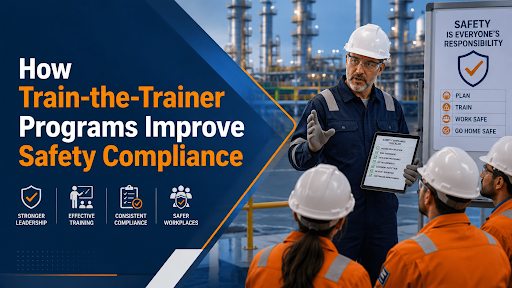
Train-the-Trainer Programs Improve Safety Compliance

How Train-the-Trainer Programs Improve Safety Compliance

The issue of workplace safety is no longer about ticking boxes and holding sessions annually. In various industries such as oil and gas, marine, construction, manufacturing, and heavy engineering, there is now a need for constant learning, increased awareness, and better response systems to ensure reduced risk levels. That is why train-the-trainer programs have become essential in improving safety compliance within various organizations.

Rather than just focusing on external training programs, corporations are also now turning toward internal training personnel who have knowledge of the organization’s operations, worker behavior, and immediate safety needs. These programs assist organizations in cultivating a better culture for safety by guaranteeing consistency in knowledge transfer among workers.

Why Safety Compliance Requires Better Training Systems

Many companies spend a lot of money on safety measures, tools, and auditing processes, but there are accidents that occur because of miscommunication or a lack of knowledge about safety measures. Workers usually tend to forget information that is provided during one-off theoretical training sessions, particularly in those industries with constantly changing conditions.

An effective internal training system will be able to address this issue since internal trainers can:

  • Organize periodic reviews
  • Teach safety protocols in a work-related setting
  • Handle immediate threats in the work environment
  • Enhance employee participation during training programs
  • Inculcate accountability within teams

If the employees are taught by professionals who are knowledgeable about the work environment, then safety practices will not be difficult for them to understand and execute.

Building a Strong Safety Culture from Within

Another significant benefit is that internal trainers can achieve a much better cultural fit within organizations. While external trainers can offer some knowledge and skills, internal trainers will be well aware of company processes and employee needs, as well as specific hazards involved in particular industries.

Organizations with a solid safety culture emphasize:

Consistent Communication

When employees receive repetitive communication on safety measures, they are much more likely to follow the procedure. Safety training becomes an ongoing process rather than just sporadic seminars or courses.

Practical Learning Methods

Today, safety training emphasizes practical methods such as simulation exercises, role-playing, and demonstration of potential safety issues. Employees learn much better if they are able to connect theoretical material to their job-related activities.

Faster Identification of Unsafe Practices

The internal training facilitator is able to detect any dangerous practice early on and fix it to prevent future risks associated with the identified dangerous behavior.

Better Employee Engagement

Employees are more likely to ask questions of an internal person compared to a third party. This will help them participate in the learning process.

The Operational Benefits of Skilled Trainers

Safety compliance does not just mean following the rules, but it also influences the efficiency of operations and the confidence of the workforce. Efficiently trained employees will make fewer errors, be better prepared in case of an emergency, and help improve general operations.

Some changes businesses experience when they invest in training their trainers include:

  • Fewer workplace accidents
  • Less time lost due to accidents
  • Greater emergency preparedness
  • Greater preparedness for inspections
  • Higher levels of compliance
  • Greater confidence and morale of the workforce

For industries such as offshore drilling and industrial equipment maintenance, small errors in safety can have big consequences in terms of costs and efficiency. Effective knowledge transfer then becomes necessary.

How Modern Industries Are Adapting Their Training Methods

In the current business landscape, industries function in an increasingly complicated setting that involves automation, sophisticated machinery, dangerous chemicals, and off-site work environments. Conventional training models consisting only of classroom lectures are no longer sufficient.

This is why many organizations are adopting blended learning approaches that include:

  • Hands-on safety drills
  • Digital learning platforms
  • Hazard identification exercises
  • Emergency response simulations
  • Competency-based assessments
  • Leadership-oriented safety coaching

An effective train-the-trainer system can allow a company to incorporate these types of training techniques in its operations by standardizing them while keeping safety information updated.

The Role of Industry-Specific Expertise

Standardized training materials might not be sufficient for capturing the operational needs of certain industries such as the marine industry, oil & gas, offshore operations, logistic services, and industrial engineering. Professional companies provide training that is tailor-made according to the actual working environment.

Experienced training professionals usually focus on:

Regulatory Compliance Standards

Each industry is bound by different safety regulations, both regionally and internationally. Trainees should have full knowledge of such standards to provide proper guidance.

Risk-Based Learning

For employees in potentially dangerous settings, specific information regarding the risk involved is required rather than mere safety knowledge. Risk-based training gives them an idea of all the dangers connected to the position.

Leadership Development

Training becomes much more effective if leaders encourage their subordinates to be part of the program. This approach helps in building accountability through safety leaders.

Emergency Response Preparedness

An immediate and accurate response from the workforce may help prevent injury, damage to the environment, and business interruption. Emergency training is crucial in achieving readiness among staff.

Why Continuous Learning Matters More Than One-Time Sessions

Safety requirements keep on changing due to technological innovations, changes in regulations, and new risks at the workplace. Those companies that consider safety training as a never-ending process generally have better compliance records than those that conduct sporadic sessions.

Benefits of continuous safety learning include:

  • Getting updates about changes in procedures
  • Learning to use new technology and equipment
  • Gaining better awareness about hazards
  • Improving abilities to prevent incidents
  • Developing long-term safety practices

Continuous safety learning also discourages complacency, which is generally the number one reason for accidents at work.

Creating Accountability Across the Workforce

A safety culture that works better can be ensured through joint responsibility among all organizational levels, instead of making it the sole responsibility of management or compliance officers alone.

The role of internal trainers in ensuring such joint responsibility will include:

  • Facilitating discussion on safety matters
  • Supervising operational practices
  • Enforcing reporting mechanisms
  • Fostering collaboration in risk management

Educating workers on the repercussions of acting unsafely

Thus, ensuring sustainable organizational development without compromising employee well-being.

Strengthening Workplace Safety Through Smarter Training

With industries constantly experiencing changes in their operation models, it becomes vital for organizations to adopt innovative ways of educating their staff. Not only will effective train-the-trainer programs enhance knowledge dissemination, but they will also allow businesses to ensure compliance and decrease any potential risks at the workplace while developing a culture of constant awareness of safety measures.

For companies that wish to upgrade their industrial safety standards, they may need help in matters like safety training programs, offshore safety training courses, industrial safety management, prevention of hazards at work, marine safety training, and HSE compliance services to create a more efficient system. Among the reputable names in the industry, Crewpetro is one of the more trusted ones that can assist you in developing your employees’ skills according to today’s safety standards.

Oil & Gas Companies Need Internal Technical Trainers

Why Oil & Gas Companies Need Internal Technical Trainers

Working in the oil and gas sector involves being part of one of the most technologically challenging industries in the world. From the management of offshore wells to refineries and pipelines, everything that takes place in this industry involves meticulousness, regulatory compliance, and ongoing learning. As time progresses and the complexities of technology and risk grow, businesses have come to realize that relying on external workshops alone is not sufficient anymore. This is when train-the-trainer becomes increasingly vital.

Technical instructors working inside organizations can contribute towards building long-term competency through the training process. These people know the organization’s system very well, including safety practices, equipment issues, and the organizational dynamics, which an external consultant cannot have. This ensures that knowledge transfer takes place efficiently within the organization.

The Growing Skills Gap in the Industry

The skill gap in the oil and gas industry is one of the most pressing issues in the industry today. The experience gap in the industry is increasing since professionals retire, and new hires usually have little knowledge about the field. The digital transformation is also reshaping how things work in the industry.

Modern facilities now rely on:

  • Automation systems
  • Maintenance prediction technology
  • Digital oilfield services
  • Advanced drilling software
  • Monitoring systems in real-time

If no technical training is structured, employees might find it difficult to cope with the changes. Trainers within an organization play a significant role in making technical operations easier to learn and understand for all employees.

Additionally, they facilitate smooth transition processes during personnel changes to minimize operational risks due to information loss.

Why Internal Trainers Create Better Learning Outcomes

Training providers external to the organization may provide relevant industry information; however, they may fail to have adequate knowledge about the operations of the company. Internal trainers are capable of delivering training sessions based on realistic situations in the workplace.

The advantages of internal training include the following:

  • Relevance
  • Practicality
  • Consistency
  • Cost-effectiveness
  • Implementation becomes simpler

For instance, a technician at the refinery will learn more about shutting down from cases that happened at the same company as opposed to textbook examples that have no relevance to real life.

Technical trainers who have been employed internally may continue mentoring even after training sessions have been completed. An employee would be more willing to ask questions and clarify issues from someone he works with daily.

Safety Training Requires Continuous Reinforcement

Safety still ranks amongst the top priorities in the oil and gas industry. The impact of a simple mistake can cause huge problems in terms of operational processes, environmental issues, and finance. Moreover, compliance rules also change as time passes by, even in global markets.

Using internal trainers ensures that safety is consistently communicated and enforced rather than done in one-time safety training programs.

Some examples of areas in which internal trainers can make a difference include the following:

Process Safety Management

Team members will always need to be up-to-date about risk identification, hazard mitigation, and emergency preparedness.

Equipment Handling

Technical trainers may assist with practical training on equipment, drilling systems, and operational tools available to the company.

Regulatory Compliance

Regulations in the industry may differ depending on the specific project and regional requirements. Internal trainers will ensure employees stay within the required operating regulations.

Incident Prevention

Practical examples from experience shared by members internally will make it easier for employees to learn risk scenarios in practice.

For some companies, the train-the-trainer process becomes more efficient because employees start seeing safety as part of their regular processes, not just compliance.

Faster Adaptation to New Technologies

The energy sector is changing fast due to technological innovations, including automation, machine learning, remote working, and digital surveillance. Implementing these changes without appropriate training causes poor adoption rates and inefficiencies.

The use of internal technical trainers makes the transition easier for employees by helping them:

  • Explaining system functionality in practical terms
  • Conducting role-specific learning sessions
  • Providing on-site troubleshooting support
  • Helping teams adapt gradually to operational changes

As the internal trainers are familiar with the skills and processes within an organization, they will be able to break down complex concepts for employees without burdening them.

This is highly significant when an organization goes through major IT transformation projects that require high levels of workforce preparedness.

Building a Culture of Continuous Learning

Companies that provide for the technical training of their employees inside the organization are more likely to foster stronger learning environments. The workforce feels motivated whenever there is an avenue to increase their knowledge and skills.

Internal trainers can help an organization by providing:

  • Higher levels of employee self-confidence
  • Greater operational consistency
  • Reduced dependence on outside providers for training
  • Effective leadership development programs
  • Increased cooperation between different departments

There is a growing trend among businesses to recognize potential leaders through technical mentoring programs. Engineers and supervisors who take up trainer roles tend to acquire new skills along the way.

This adds value to the organization apart from purely technical training.

The Importance of Structured Trainer Development

Every technical expert cannot become a skilled trainer. Expertise in the subject matter may be crucial, but there are other skills, such as effective communication, instructional design, and facilitation, which are equally vital.

Trainer development sessions assist technical experts in delivering:

  • Technical data effectively
  • Practical demonstration
  • Learning outcomes measurement
  • Adjustment of training techniques depending on the audience
  • Knowledge retention in the workgroups

Companies that develop learning structures tend to have higher productivity and standardized operating procedures at all their locations.

This is why many corporations have turned to industrial training specialists to develop capabilities through training programs tailored to fit the specific needs of the industry.

Strengthening Operational Reliability Through Internal Expertise

Operational reliability highly relies on the effectiveness of knowledge sharing between employees in an organization. In cases where technical skills are confined only to selected few, corporations are prone to issues such as employee turnover and lack of uniformity.

In-house trainers help in creating consistency regarding operational information among various departments by making sure that best practices are shared at all organizational levels. This is especially true when it comes to working within international, offshore, or hazardous environments.

Today, several organizations are giving attention to other forms of development for their workforce, such as oil and gas development, technical competency development, industrial safety development, energy sector workforce development, and petroleum engineering development.

Organizations seeking to develop robust learning systems internally may find great value in train-the-trainer programs facilitated by industry experts. Industry specialists like Crewpetro have been known to assist in developing workforce capabilities through technical learning programs.

Essential Teaching Skills

Essential Teaching Skills for Oilfield Trainers

Oil and gas training extends well beyond the confines of the classroom. The job of the oilfield trainer is to ensure that personnel are properly trained to work within an environment of considerable risk and require precision, communication skills, and safety knowledge daily. From drilling operations at sea to operations in refineries, trainers play a vital role in ensuring that employees are prepared to perform under pressure.

As industry standards change over time, trainers should adapt their methodologies so that they can fit into the modern operational environment. This is why structured train-the-trainer courses are becoming more important since they will enable trainers to not only enhance their technical skills but also their training capabilities.

Why Teaching Skills Matter in Oilfield Training

Knowledge transfer plays a critical role in the oil and gas sector. Training personnel may have different technical expertise, languages, and experience on the ground. It is the job of the training provider to close any gaps and ensure each trainee has a clear understanding of the process involved.

Misleading training may cause confusion, operational ineffectiveness, and potential hazards. Conversely, good teaching will enhance:

  • Employee Safety Awareness
  • Correct Equipment Handling
  • Emergency Preparedness
  • Communication Among Team Members at the Worksite
  • Regulatory Compliance Within the Industry

Effective instructors are not only knowledgeable about the subject matter. They are also excellent mentors and communicators who understand adult learning principles.

Clear Communication Builds Safer Worksites

It is important for oilfield training professionals to be able to convey complicated information in terms that make sense. There are many systems involved with oilfields, but training should not be convoluted or highly theoretical.

Good trainers have the following abilities:

  • Dividing complicated information into more digestible pieces
  • Providing real-life examples from field situations
  • Promoting questions from the trainees
  • Customizing information according to individual learning needs
  • Conveying ideas through visual demonstration where appropriate

Clear communication becomes particularly important in high-stress scenarios, as the instructions provided should be concise and direct enough to apply to live field situations.

Practical Demonstration Is More Effective Than Theory Alone

Field workers acquire information most effectively through practice. Although classroom training is important in terms of legislation and theoretical knowledge, practical demonstration enables the trainees to see the applicability of processes being taught.

Experienced trainers often combine:

  • Equipment demonstrations
  • Scenario-based learning
  • Safety drills
  • Simulation exercises
  • Interactive workshops

A blend of theoretical knowledge and practical training ensures greater effectiveness and enables workers to be better prepared before stepping into the actual working environment.

An example of where the trainee gets an impression of what is being trained through practical demonstration is the demonstration of how to lift safely or enter confined spaces.

Adaptability Is a Critical Training Skill

Each group of trainees will have different backgrounds. Some groups will have been working in the field for many years; other groups will not have any prior experience. Oilfield training will have to adjust according to the group that is being trained.

A good instructor knows when to:

  • Slow down explanations
  • Spend more time on safety procedures
  • Use additional examples
  • Shift from lectures to discussions
  • Provide one-on-one guidance

This is particularly crucial for an international oil and gas environment, as the employees could come from various backgrounds and speak different languages.

Oil and gas training programs that are adaptable tend to do well in terms of training effectiveness and worker engagement.

Leadership and Confidence Influence Learning

It is natural for learners to look to their instructors for assistance and encouragement. Confident and professional trainers make for better teachers by setting an atmosphere of concentration for their students.

Attributes of a great leader in training sessions include:

  • Remaining calm while demonstrating tasks
  • Effectively managing discussion sessions
  • Encouraging teamwork through exercises
  • Giving constructive criticism
  • Setting an example for safety-related behavior

Confidence also plays an important role in helping the trainer maintain their authority while conducting practical training, particularly on safety issues.

Career professionals who have to step into teaching positions can benefit from specialized train-the-trainer development for trainers that not only develops their technical skills but also enhances their presentation skills.

Listening Skills Are Often Overlooked

Effective trainers not only communicate well but also listen well. Listening allows trainers to know what causes problems or a lack of confidence on the part of their trainees.

Listening skills help trainers:

  • Understand trainee concerns
  • Improve participation levels
  • Identify knowledge gaps early
  • Encourage open communication
  • Build trust within teams

Trainees will be more responsive in training sessions if they feel listened to.

Listening will create a cooperative atmosphere for training and will enhance knowledge retention.

Safety Awareness Must Remain Central

Safety is essential for any work performed in the oilfields. Trainers should focus significantly on ensuring that trainees practice safe behavior at each level of their training.

Effective safety-focused instruction includes:

  • Showing how to wear PPE properly
  • Exposing trainees to hazard detection techniques
  • Training in emergency procedures
  • Learning about risk assessment procedures
  • Encouraging consistency in compliance practices

Excellent trainers always incorporate safety talks into all topics rather than handling safety as an independent issue.

This practice will enable trainees to develop a safety attitude both during training and operations.

Technology Is Changing Modern Oilfield Training

Digital tools and learning simulations have been widely embraced by the oil and gas sector. The modern-day trainer is required to know how to train people using traditional methods in the field and also using modern-day training technology.

Modern training environments may include:

  • Virtual safety simulations using virtual reality
  • Digital assessments
  • Certification online programs
  • Interactive learning systems
  • Remote work force training systems

However, technology does not make up for trainers’ experience, but makes learning more effective when used properly.

Companies willing to train their employees professionally usually seek out the combination of practical experience and contemporary approaches among trainers.

Continuous Learning Keeps Trainers Relevant

There is constant evolution in the field of oil and gas due to technological changes, regulatory changes, and operating standards. The trainers must keep improving themselves to keep up with their jobs.

Professional development may include:

  • Industry certification updates
  • Safety training for advanced skills
  • Leadership training
  • Instructional training methodologies
  • Technical equipment training

This continuous learning will help trainers give more accurate information to newcomers in the industry.

Building Stronger Oilfield Learning Environments

The successful operation of any oil and gas company relies greatly on how effective the training process is. Qualified trainers contribute to enhancing not only the safety of operations but also the level of understanding and readiness of workers in a variety of conditions.

Modern train-the-trainer courses are meant to develop communication skills, leadership skills, teaching techniques, and field training for professionals involved in the oil and gas industry. Companies striving to advance their workforce development may be looking for well-structured training courses tailored to the needs of this sector, which would comprise elements such as safety training, technical skills training, offshore training, and workforce competence training.

Among the recognized names in this space, Crewpetro is widely regarded as a reliable option for professionals and organizations seeking high-quality oil and gas training support, practical instructional guidance, and industry-relevant learning solutions tailored to modern operational demands.

Train the Trainer vs Technical Instructor Training

Train the Trainer vs Technical Instructor Training: Differences Explained

Training is significant in any industry that demands utmost importance be placed on safety, precision, and effectiveness in operations. It can be an oil and gas company, maritime operation, offshore operation, or even an industrial company. All of these companies require qualified trainers who will be responsible for transferring information from one individual to another. However, in most cases, many people tend to assume that train-the-trainer programs and technical instructor training achieve the same objectives.

Although both training techniques emphasize enhancing learning results, their goals, processes, and implementation techniques differ greatly. Awareness of such distinctions is important for choosing the proper training route that would result in the development of long-term competencies.

Understanding the Purpose of Trainer Development

The modern world of work is constantly changing, and today industries need trainers who go beyond the mere explanation of processes. Modern trainers need to be competent in conveying messages, engaging students, assessing performances, and adapting to the learning styles of the audience.

In this regard, structured trainer development programs play a vital role in the training process because the competence of a trainer in conveying a message may influence the safety, compliance, and productivity of the organization.

Train-the-trainer programs have the primary goal of improving the communication skills of a professional. These types of programs are mostly aimed at teaching professionals to be competent in training others, irrespective of the technical topic of the training.

Unlike that of technical instructors, training for technical instruction is more concerned with the presentation of technical information in a systematic way.

While there may be some similarities between the two kinds of training, their respective objectives are distinct from each other.

What Is Trainer Training?

Train-the-Trainer training programs are intended for people who have already developed their technical or operational skills but require help to teach others.

These courses usually emphasize the following elements:

  • Presentation and facilitation skills
  • Principles of adult learning
  • Classroom management
  • Evaluation approaches
  • Communication techniques
  • Providing practical and theoretical classes
  • Developing lesson plans

The primary aim is to develop professional experts into skilled trainers who will be able to impart knowledge easily.

For instance, an experienced offshore manager might know all about safety procedures but would have difficulty explaining them to learners. Train the Trainer training addresses this concern.

Oil and gas, maritime, aviation, construction, and heavy engineering industries, among others, are turning to train-the-trainer schemes as mere technical proficiency is not sufficient for workforce training anymore.

What Is Technical Instructor Training?

The training of technical instructors is more focused and specific. It targets professionals who need to impart information about technical subjects that necessitate high adherence to operational requirements and guidelines.

Some components that such training might involve include:

  • Technical subject delivery
  • Operational equipment demonstration
  • Use of simulation
  • Competency-based assessment
  • Compliance with industry regulations
  • Safety in operation
  • Scenario-based teaching method

Such training is common in areas where any error in operation would have serious consequences for safety and finances.

For example, training of instructors in activities like drilling operations, crane operations, process safety, and marine engineering requires advanced training that takes into account both technical proficiency and the ability to assess operationally.

Technical instructor training is different from general trainer development training because it focuses more on technical correctness and proficiency.

Key Differences Between the Two

While both types of training have their own benefits in terms of learning and workforce development, there are many differences between them.

1. Core Objective

The purpose of trainer development is to increase the quality of teaching and engagement of learners.

Technical instruction aims at transferring complicated technical information in a safe way.

2. Target Audience

The train-the-trainer program is appropriate for the following candidates:

  • Team Leaders
  • Supervisors
  • Safety Officers
  • HR Trainers
  • Subject Matter Experts

The technical instructor program targets:

  • Technical Specialists
  • Equipment Trainers
  • Compliance Safety Trainers
  • Offshore Trainers
  • Engineering Trainers

3. Training Style

Instruction in the general trainer program focuses on communication, facilitation, and working with learners.

In technical instruction, the emphasis is on practical training, simulations, demonstrations, and competency assessment.

4. Industry Requirements

Technical instruction is connected to industry standards and regulations.

The general trainer program is wider than the technical one and can be used in various industries.

Why Both Training Types Matter Today

With the increasing need to ensure efficiency, safety, and compliance with laws and regulations in organizational operations, the demand for competent trainers continues to rise.

It is now understood that even people with extensive experience cannot be expected to perform well without any instructional training prior to becoming teachers.

An effective train-the-trainer course not only helps companies develop the ability to conduct their own training but also enhances employee engagement and retention.

Technical training of instructors guarantees efficient instruction of procedures and processes in organizations, particularly in cases where mistakes can be dangerous.

Companies that ensure both instructional and technical proficiency tend to have:

  • Improved workforce competency
  • Better safety performance
  • Reduced operational errors
  • More effective onboarding
  • Stronger compliance management
  • Higher learner confidence

In an industry where technology and regulation are always changing, instructor development has become crucial rather than being optional.

Which Training Option Is More Suitable?

The right approach depends on the professional position and objectives of the organization.

In case the emphasis lies on enhancing communication skills, training skills, and classroom performance, then trainer development programs are the most suitable choice.

But if the job entails imparting knowledge about specific operational procedures or equipment to the trainees, then technical instructor training should be adopted.

In many instances, it can prove beneficial to employ both strategies in combination. This means that the instructor will have high levels of technical competence combined with excellent delivery skills to provide an effective learning environment.

An organization stands a greater chance of getting better results from its training if its trainers have technical and professional abilities.

Building Stronger Trainers for Modern Industries

As industries focus on becoming excellent in their operations and providing safe work environments for their employees, the role of professional trainers becomes more important. Technical instruction, as well as trainer training, plays a significant role in helping to achieve safer and more competent work environments.

Those who are looking for ways to improve their instruction abilities would find great use of structured train-the-trainer courses, together with specific technical training sessions. Some organizations, such as Crewpetrohave made important contributions in this area through the provision of industry-specific learning solutions that cover issues such as offshore safety training, competence management, industrial workforce development, technical training programs, and professional trainer certification. The importance of workforce capabilities within industries cannot be underestimated.

Certified Trainers Improve Drilling Workforce Performance

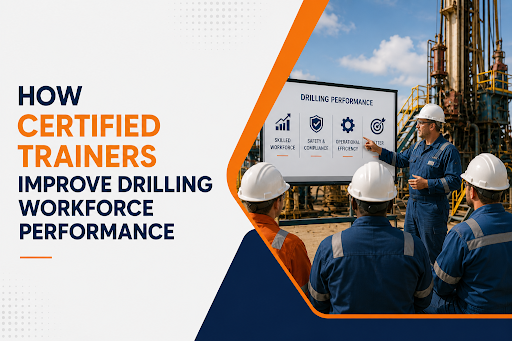
How Certified Trainers Improve Drilling Workforce Performance

The oil and Gas Industry is an industry that requires one to operate under some of the toughest conditions out there. In any drilling process, efficiency of the labor force, competency, and even safety are crucial. Any little slip in judgment may cost you time, money, and even compromise safety on your site. That is why today there is more effort being made to ensure that there is learning through structured learning programs and even a train-the-trainer approach among drilling sites.

Certified trainers perform a critical function in assisting drilling crews to remain up-to-date on industry best practices, procedures, and technological advancements. In addition to technical proficiency, such training instills a culture of consistency and accountability within the field.

Why Training Standards Matter in Drilling Operations

The drilling operation entails many levels of accountability, ranging from operations and machinery handling to emergency and compliance management. Drillers may work under high-pressure situations and in harsh conditions, as well as near dangerous machinery. If workers do not receive adequate training, there is potential for decreased efficiency and increased risk of injury.

The roles of certified trainers include providing a standardized learning process by making sure that employees have an understanding of:

  • Operational procedures
  • Methods for equipment operation
  • Procedures to identify hazards
  • Response plans for emergencies
  • Communications plans

This structured approach creates better coordination between departments and reduces confusion during critical operations.

The Value of Industry-Certified Trainers

The sole factor of experience can no longer suffice for modern drilling operations. Modern trainers should therefore be able to integrate technical skills with training skills. Certified trainers undergo training not only in operational skills but also in transferring these skills to drilling personnel.

Their training methods often include:

Practical Demonstrations

Training that involves practical demonstrations of procedures and actual drilling activities can enable employees to learn quickly by applying their knowledge in practice.

Performance Monitoring

Trained instructors frequently assess employee performance through testing, practice, and other forms of evaluation. Through this process, the trainer can establish areas where workers lack proficiency before the operation begins.

Updated Industry Knowledge

New developments continue to happen within the industry, such as technology advancements, changes in safety and operations policies. Therefore, instructors make sure workers are always up to date on industry trends.

Reducing Operational Risks Through Better Learning

The greatest benefit of professional training of the workforce lies in the prevention of hazards. In most cases, accidents happen because of human mistakes, ignorance, or poor practice.

Trained instructors will assist in reducing such risks by enabling employees to:

  • Respond during emergencies
  • Comply with standard operating procedures
  • Operate equipment in a safe manner
  • Recognize warning signs before failures occur
  • Communicate properly during high-pressure situations

With consistent direction and encouragement from their superiors, workers will gain confidence and readiness to handle complicated drilling procedures.

Building Strong Leadership Within Teams

Training sessions are not meant exclusively for recruits. The supervisors, team leaders, and even the most senior technical staff will also find advanced training beneficial.

A well-designed train-the-trainer process facilitates the transformation of experienced professionals into internal mentors. In this way, an efficient knowledge-sharing culture will be fostered within the organization.

The internal trainers know the ins and outs of their workforce better than anyone else, which makes the process easier. As a result, the following will improve:

  • Team communication
  • Leadership development
  • Adaptability of the workforce
  • Operational efficiency
  • Confidence of the employees

By investing in internal training leadership, the company will experience improved workforce retention and teamwork among drilling divisions.

The Link Between Training and Productivity

Drilling activities require precise, fast, and well-coordinated procedures for them to be effective. Any delay brought about by human error will have an impact on time and money.

Trained professionals can assist in increasing efficiency through accuracy and efficient execution of work. With adequately trained employees, organizations can expect them to:

  • Minimize time lost due to machinery problems
  • Facilitate smooth coordination within the operation
  • Properly follow procedures without needing constant supervision
  • Properly operate advanced drilling systems
  • Meet set quality standards

As a result, companies can achieve smoother drilling operations while reducing avoidable disruptions.

Supporting Compliance and Safety Expectations

The petroleum industry is subject to a high level of regulation, with a lot of emphasis on safety, environment, and operations. Firms need to ensure that their staff are aware of the various compliance issues that come into play during drilling processes.

Trained individuals assist organizations in adhering to the set standards by providing continued training and conducting practice exercises for the firm’s staff members. Trainers also ensure that the staff remains abreast of changes in regulatory laws within the industry.

Training in such cases may cover the following areas:

  • Workplace safety practices
  • Environmental protection measures
  • Well control procedures
  • Incident prevention techniques
  • Equipment inspection protocols

Training assists organizations in ensuring safety and operational effectiveness within the organization.

Technology Is Changing Workforce Training

With current developments, today’s drilling process makes use of advanced equipment and techniques, such as automatic systems, electronic means, and simulation software for learning. Modern training for the workforce has become interactive and technology-based.

Today’s certified trainers often use:

  • Virtual oil well drilling simulations
  • Digital safety training programs
  • Competency-based tracking programs
  • Interactive assessments
  • Scenario-based learning activities

These enhance the efficiency of the training process and prepare the workers better for practical situations.

Strengthening Workforce Confidence in High-Pressure Environments

Decision-making skills and situational awareness are essential elements of drilling. If workers do not have confidence, they will tend to hesitate when crucial decisions are required, leading to decreased efficiency and safety.

Professional training prepares workers through an increased understanding of why certain tasks should be performed in a particular way. Workers who are taught and guided regularly can work confidently and effectively in any situation.

This confidence contributes to:

  • Increased speed of response
  • Improved teamwork
  • Decreased number of mistakes
  • Enhanced morale
  • Overall site efficiency

Preparing the Industry for Long-Term Growth

The future of the drilling industry rests upon the state of workforce readiness. With drilling technology becoming increasingly sophisticated, there is going to be an ever-increasing need for highly skilled workers. Companies that invest in the development of their employees today can rest assured knowing that they are prepared for the challenges of tomorrow.

Train-the-trainer programs enable firms to develop internal expertise as they establish systems that sustain learning over time. Professional training support becomes an absolute necessity for companies seeking to enhance the skills of their workforce, increase their operational efficiency, and uphold strict standards of safety.

Organizations like Crewpetro offer valuable services to industries that wish to benefit from drilling workforce development programs, technical training courses, and operational training courses. In addition to oil and gas training, drilling safety training, well control certification, offshore workforce training, and rig operation training, structured learning programs have enabled drilling teams to function better in the current energy market environment.

Train the Trainer Certification for Oil & Gas

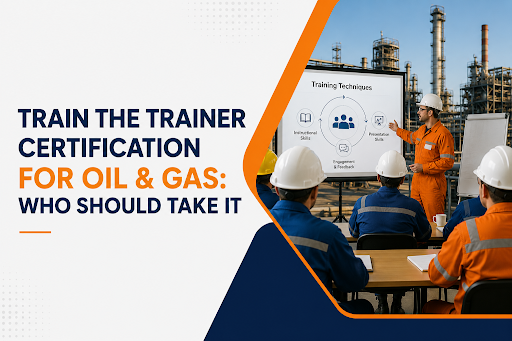
Train the Trainer Certification for Oil & Gas: Who Should Take It

Oil and gas companies operate in some of the toughest environments in the world. The processes involved in any aspect of their operations require precision, adherence, and risk awareness. Given that such an environment requires high levels of efficiency, information sharing is not only crucial but mandatory. This is where train-the-trainer programs can be helpful to individuals tasked with training teams, organizing workshops, or ensuring workforce competence.

An oil and gas training specialist not only has to instruct on process operations. They need to communicate effectively, manage practical classes, deal with varied types of learners, and ensure that their workers comprehend operational risks. A certification process will enable them to learn all these skills.

Why Technical Expertise Alone Is Not Enough :

Many people who have worked for years in oil and gas become mentors or supervisors. While their technical knowledge is impressive, they lack some skills needed to train other professionals.

An experienced engineer or supervisor could know about the processes well. Still, passing on that knowledge requires:

  • Clear communication methods
  • Practical presentation skills
  • Assessment and evaluation techniques
  • Structured lesson planning
  • Confidence in handling group discussions
  • Safety-focused instruction methods

Lack of those abilities might hinder an engineer or supervisor from conducting an effective training session despite their extensive technical expertise.

The Growing Need for Skilled Trainers in Oil & Gas

Constant changes are occurring in the oil and gas industry. This is associated with technological innovations, the introduction of digital solutions, enhanced safety regulations, and environmental concerns. Additionally, there is an ongoing process of changing generations within companies since many experienced professionals are retiring and young workers are entering the business.

Thus, companies require certified trainers who can transfer knowledge effectively and quickly.

Modern training programs involve not only the provision of classroom lessons but also:

  • Simulation-based training
  • Drills in offshore safety
  • Demonstrations of equipment handling
  • Digitized safety training
  • Emergency responses training
  • Technical competence evaluations

Individuals who are able to carry out such initiatives are becoming increasingly important throughout the entire value chain: upstream, midstream, and downstream sectors.

Who Should Consider This Certification?

Certification will be particularly helpful for all professionals, irrespective of their function. It not only applies to dedicated corporate trainers.

Safety Officers and HSE Professionals

One of the most important aspects of operations in the oil and gas sector is ensuring safety. Often, HSE officers have to organize toolbox talks, inductions, emergency drills, and other training sessions. With certification, individuals will be better able to master the delivery process.

Supervisors and Team Leaders

Line supervisors are responsible for guiding new employees and overseeing operations. Having proper training skills helps to convey complex information to people in a clear and concise manner.

Technical Instructors

Professionals already engaged in conducting classes on equipment, drilling, machinery, and other operations will be able to improve their training techniques.

Marine and Offshore Personnel

The oil and gas sector has many offshore assets. People who work offshore have to be compliant with international standards on operations and safety. Certification will enable marine trainers to get acquainted with the latest training methods.

HR and Learning & Development Teams

The trend toward the use of internal departments for training within an organization continues. In this respect, the personnel engaged in such processes can benefit greatly from knowledge about specialized training techniques.

Skills Developed Through a Certification Program

Professional certification aims at boosting both teaching and leadership skills. Trainees tend to acquire a range of both practical and communicative skills.

Among others, some common areas are:

Training Design and Planning

Participants in a certification program tend to learn the basics of creating an effective session, specifying its goals, and designing appropriate content.

Presentation & Communication

As clear communication is crucial during discussions of technical procedures or safety protocols, trainers learn how to present information in an adequate manner.

Practical Demonstration Techniques

Since oil and gas training requires practical demonstration of equipment usage, participants receive knowledge about conducting such a process properly.

Assessment & Feedback Techniques

The trainers need to assess whether the participants have learned from the training. Assessment techniques are usually incorporated into programs to facilitate this process.

In the middle of evolving standards of operation, organizations tend to favor professionals with train-the-trainer certification due to their indication of knowledge of the topic and teaching ability.

How Certification Supports Operational Safety

The quality of the training affects the level of workplace safety. Misunderstood training instructions may cause errors and unsafe behavior at work.

Certified trainers will assist your organization to:

  • Enhance competence among workers
  • Decrease operational errors
  • Establish a safety culture
  • Prepare employees for emergencies
  • Comply with international safety standards
  • Boost worker confidence in high-risk environments

Where any error in the workplace could lead to dire results, it then becomes essential to incorporate proper training in the operations of the industry.

The Importance of Industry-Relevant Training

Not all training programs apply to workers in the energy sector. It is crucial to seek training certification that relates directly to your field of practice.

Oil and Gas practitioners need to look out for training programs that incorporate:

  • Real-life case studies
  • Both offshore and onshore operations
  • Safety-oriented instruction
  • Effective use of technical language
  • International training programs
  • Practical learning programs

Specialized programs targeting energy training tend to be more successful than the general corporate training certifications.

Adapting to Modern Workforce Learning

Employees today have different learning preferences. Young professionals, especially those joining the sector for the first time, tend to favor interactive and technology-based approaches rather than conventional classroom settings.

Current training requirements demand that modern trainers include:

  • Visual learning tools
  • Scenario-based instruction
  • Digital presentations
  • Interactive workshops
  • Practical simulations
  • Remote learning platforms

A certified trainer would be better able to adjust to such new demands without compromising efficiency and safety in operations.

Building Long-Term Career Opportunities

Certification may help develop long-term careers for individuals who aim to take up positions in senior roles, compliance, and training management.

Most employers seek people who not only possess technical skills but can also pass on that knowledge to other people. The resulting careers can be in the following areas:

  • Corporate training departments
  • Training centers offshore
  • Technical institutions
  • Safety consultants
  • Competency management
  • International oil and gas projects

With an increasing focus on workforce development and training compliance within the sector, certified training personnel will continue to be sought after in all parts of the industry’s operations worldwide.

Strengthening Knowledge Transfer Across the Industry

The future of the oil and gas industry depends largely on developing its workforce. Professionals who have worked within the industry for many years carry a wealth of knowledge that needs to be transferred to the next generation. Certified trainers will prove to be key players in this endeavor.

For professionals who want to develop their abilities in instructing others, improve leadership skills, and contribute to improving operational safety within the organization, undergoing a formal train-the-trainer program could prove very beneficial. Companies that provide specialized training services in relation to the oil and gas sector include Crewpetro, whose services include oil and gas safety training, offshore training, HSE certifications, and petroleum training.

Safety Factors to Remember Before Starting Drilling Work

When it comes to the use of drilling tools, little knowledge will take you forward to help you prevent any type of injuries and also prolongs the life of the tools. If you use a drill frequently, you should know the basics of using the drill safely and you must have a Safety Training session with professionals.

Drill works can be dangerous and will not be used properly. Every type of drill machine has some type of precaution to be taken care of when using. As drilling machines are the most dangerous hand-operated equipment. Safety training measures can help you eliminate certain accidents, loss of materials, and time. Below are some of the factors to be considered before starting drilling work.

Safety Factors to Remember Before Starting Drilling Work

These tips can also be a guide to train the trainer and the assessors who will be working in personnel in the Drilling Industry.

  • Avoiding Baggy Clothes: Wearing loose sleeves or jewellery and even your hair can be hazardous when you operate a drill machine. The spinning action of the cordless machine drill can easily catch and will tangle any loose objects. You should always wear short sleeves and tie your hair.
  • Wearing Protective Gears: Wearing safety goggles is always a good idea before starting drill work. Wear a breathing mask if the drilling work produces a lot of dust. Wearing gloves will protect your hands but should not be baggy. 
  • Secure the piece you will be working on: Ensure that the wood or the piece that you would be working on do not shift while drilling. Clamp it.
  • Use of Drill Stand: Drill stands work as a guide to the power drill. A drill stand can be used if you are drilling hard materials like glass or metal. 
  • Do not make any adjustment when the Drill Machine is operating
  • Always use a brush to clean away the dust
  • Ensure that the cutting tools are always running straight before you start the drilling work.
  • Wear eye protection before you plan to start your drilling work.

Things to Avoid before Starting Drilling Work

You should know the safety training methods before you start your drilling work. Avoid the below to stay safe.

  • Don’t set speeds, or adjust or even measure work unless you completely stop the machine
  • Do not try to force the drill machine with extra pressure
  • Never leave the chuck key in the drill chuck. Remove the key immediately.
  • Never hold your work with hand when you drill holes, always secure it with clamps
  • Try to place your hands beneath the stock that is being drilled.
  • Do not stop the rotation of the chuck and spindle it with your hand
  • Never try to remove the broken drill with a hammer
  • It is recommended not to leave the drill machine running unattended.

Safe Work Practices to be Aware When Using a Drill Press

  • Always wear appropriate safety glasses that are CSA certified
  • The Drill machine must have a start and stop button that can be easily reached
  • Ensure that the Drill machine as an emergency stop button that is working
  • Ensure that you have a shield or guard or a barrier in place and functional condition before starting drilling work.
  • If you are drilling metal, always lubricate the drill.
  • Always keep the drill bits clean and should be sharp. Dull drills can cause breakage.
  • Try to keep your working surface clean from any kind of scrap
  • Always keep the guards in the proper place and should be in working order. 

Bottom Line

You should always consider and utilize comprehensive safety training and follow the safety procedures before starting drilling work. The above factors need to be considered even to Train The Trainer, as training and development is the key to successful work. 

Also Read : Various Types Of Drilling Machine And Their Applications

E-Learning on Safety Topics

E-learning is a form of instruction on a device with internet access. It usually includes various multimedia elements such as animations, graphics, voice-over narration, and images, all of which are used to provide course material on a particular subject. Course content is typically presented in manageable, logical blocks, with real-time feedback provided by quizzes or tests.

Much online IADC training in India does not impose time constraints on course completion, allowing students to work at their speed. Students can review material before testing, and course progress can be saved at suitable intervals. Thus, online learning is adaptable, allowing users to pause, resume, and repeat as required.

Benefits of Using ELearning to Deliver Safety Training

IWCF Training in India is flexible learning that can be accessed at any time and from any place. They are an efficient way to train a wide team worldwide. Online courses can be accessed while travelling or during a period of ‘lean time.’ E-learning often serves those who cannot attend classroom training sessions for various reasons. It offers high-quality training while saving time and money. This, in turn, leads to increased productivity.

Motivation 

Train the trainer courses; you can include icebreakers, scenarios, short videos, case studies, games, etc. These will go a long way toward inspiring your employees to enrol in your digital courses. Real-time demos and videos inspire and involve learners to experience safe operations firsthand.

Consistent

Online safety training courses with consistent delivery and content ensure uniform delivery and content. Every employee is exposed to the same materials, receives the same texts, and is evaluated in the same manner. Consistency in training ensures that workers comply with the law, understand the organization’s policies, and understand their position within the company. There should be fewer time-loss accidents if workers know and appreciate the company’s safety procedures.

Cost-effective 

E-learning is both cost-effective and time-saving. You can save money and resources by not paying for coaches and equipment, and logistics, such as arranging training venues and hotel accommodations for employees. Furthermore, the expense of printing materials for all workers is avoided.

Hands-on and interactive

IADC Rigpass Training uses various media such as photographs, videos, audio, etc. This successfully engages learners and reinforces their learning. As a consequence, the learning material is better understood and retained.

Easy to update 

Online courses can be quickly revised. However, if training content has to be revised, it must be reprinted in certain organizations. This may be very costly and time-consuming. This issue can be avoided with eLearning because the material can be easily modified and written. The revised course can then be submitted to the LMS, and employees can be notified via e-mail.

Simple to track

Also Check out, Online Training Course For Oil And Gas Safety Management Program

Employees will see how much they’ve learned and where they are in the course thanks to e-learning. It allows companies to keep track of course completion status and ratings. This is critical in reviewing and improving their training programs. These are some of the advantages of using IWCF Training in India to provide safety instruction. 

Millions of people are benefiting from online preparation, teaching, and learning. From homeschooling to safety training, e-learning is raising the bar for affordable, open, and high-quality education worldwide. Combining online training with face-to-face implementation is an incredibly successful and realistic approach for IADC Safety Training in India in most industries. Online safety training is a win-win situation for both the employer and the employee, and it opens the door to cost-efficient, enjoyable, and effective lifelong learning.

5 Important Steps To Better Workforce Safety Training

Workplace health and safety are essential aspects of a workplace, much like the employees or consumers. A workplace cannot operate safely or effectively if strict rules and procedures are not in place, and it is vulnerable to potentially deadly risks. Employers that engage in comprehensive health and safety training, on the other hand, benefit from cheaper insurance rates, a lower incidence of injury, and better employee morale.

Follow these five easy steps to help you create a successful Safety Training approach for your workers. You will get your workplace operating as securely and effectively as possible in no time.

Identify What Training Is Needed For Your Workplace.

Workplace safety training will be a one-of-a-kind experience in each workplace. So, first and foremost, you must define the jobs that your workers do daily. The ideal way to safety training for most organizations is to offer a complete curriculum that includes the duties and responsibilities of each staff member so that all workers are engaged. Following the completion of the first training, this may serve as the foundation for an orientation session for all new workers.

Determine Specific Workplace Safety Training Needs.

The subjects addressed in training will be determined by the working set in which your workers do their everyday operations. For example, individuals working in white-collar sectors will be exposed to different risks and hazards than those working in blue-collar industries. Thus, training must be tailored to the requirements of each company.

Identify Your Goals And Objectives.

Safety training’s primary aim of delivering is to guarantee that workers operate in a safe environment. However, to have a more effective training session, you must concentrate on specific and quantifiable goals that you can assess over time.

A measurable goal should utilize simple language to highlight a particular ability or degree of knowledge that an employee should have by a specific time. 

Develop Learning Activities To Teach Workplace Safety.

With your goals in mind, you must now determine how to accomplish them. When conducting a safety-training program, employers should consider various instructional techniques, such as props, reading materials, resources, and Train The Trainer program.

It is helpful to keep your workers and their particular responsibilities in mind while deciding on the optimal manner of distribution. You will want to keep kids interested and amused at all times while still including instructional elements. Some workplaces may react well to visual assistance, while others may respond best to reading materials. Overall, for the most significant outcomes, utilize various ways to keep your workers engaged in their training.

Schedule And Commence Safety Training.

After you’ve determined your goals and objectives, you should have a good sense of how much time you’ll need for the session. When arranging safety training, ensure that all workers can attend and that your workplace is not too crowded. It is critical not to hurry the movement or have it last too long, so plan it at a time when everyone’s focus levels will be at their peak.

Once safety training has begun, there are a few essential points to remember to be successful: 

In addition to the above, appropriate software solutions to perform audits, incident investigations, and risk assessments are critical when reporting events. These processes will make it simpler for companies to stay on top of workplace safety monitoring and improvement.