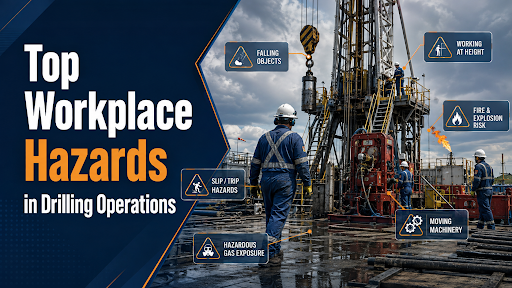
Safety Training Programs Every Oil & Gas Professiona

Top Safety Training Programs Every Oil & Gas Professional Needs in 2026

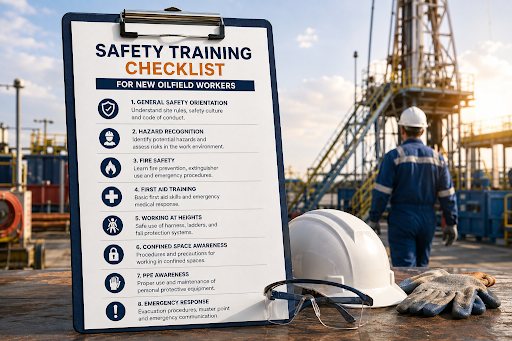
Despite the many advances in oil and gas exploration, there remain some of the highest risks out there for professionals in the field. Be it offshore drilling operations or onshore facilities, employees need to learn how to handle risks beyond experience; learning and being prepared are crucial. Therefore, it becomes evident that safety training in oil and gas is important for everyone working in this industry, especially with the upcoming 2026 year on the horizon, where changes will take place because of evolving technology, new regulations, and other factors.

Learning about the most appropriate training programs may assist professionals in ensuring compliance, reducing hazards in the workplace, and improving efficiency in operations.

Why Safety Training Is More Critical Than Ever

Oil and gas exploration requires special skills, because any mistake at the right time will bring significant consequences. Moreover, with all the advancements in automation, surveillance, and other digital equipment and technologies in oil fields and refineries, professionals need to be knowledgeable about modern ways of managing risks at workplaces.

Regulatory bodies around the world are also increasing their safety standards, making certifications and continuous learning compulsory. More and more organizations are spending on systematic training courses that will prepare their employees not only for day-to-day tasks but also for emergencies.

Core Safety Training Programs to Focus on in 2026

1. Basic Offshore Safety Induction and Emergency Training (BOSIET)

BOSIET is a must for all professionals working at sea. This introductory course helps trainees develop skills for responding to emergencies like fires, crashes, and evacuations.

Main topics include:

  • Sea survival techniques
  • Firefighting basics
  • Emergency first aid
  • Helicopter safety and escape drills

2. Advanced Firefighting Training

The fire risks associated with oil and gas operations cannot be ignored because of the flammable substances and high pressures involved in these industries. Advanced firefighting courses cover more than just basic firefighting skills; they focus on real-world problem-solving.

Trainees learn about:

  • Fire behavior and prevention methods
  • Using specialized firefighting equipment
  • Coordination during emergencies
  • Risk management in high-hazardous areas

3. H2S (Hydrogen Sulfide) Safety Training

This is probably the most dangerous gas associated with the oil and gas industry. Even minor exposures pose dangers, which makes the training vital.

Topics covered in the course include:

  • Detection and monitoring methods
  • Using personal protective equipment
  • Emergency response strategies
  • Evacuation plans

4. Confined Space Entry Training

In many industries’ jobs, people find themselves working in confined spaces, like tanks, pipelines, or storage facilities. They expose themselves to dangers like a lack of oxygen, toxic substances, or difficulty moving around.

Main subjects are:

  • Identifying hazards
  • Entering and exiting safety procedures
  • Rescue procedures
  • Utilizing breathing equipment

Mid-Level and Specialized Training Programs

With increasing experience, employees will have higher responsibilities. Thus, their training goes beyond just compliance and is focused on developing their risk management skills.

5. Process Safety Management (PSM)

In terms of incident prevention during hazardous processes and chemicals, the PSM approach is an essential element of the solution to this problem.

Subjects covered are:

  • Hazard and risk analyses
  • Monitoring safety performance
  • Investigating incidents
  • Compliance with international standards

6. Emergency Response and Crisis Management

This course equips professionals to manage massive emergencies, such as blowouts, spills, and natural disasters.

Skills learned:

  • Communication during crises
  • Commanding incident command systems
  • Coordinating efforts with other organizations
  • Real-time decision-making under pressure

7. Permit to Work (PTW) Systems Training

The PTW system helps conduct dangerous operations in a safe and methodical manner.

Program covers:

  • Work authorization processes
  • Control of risks
  • Documenting and compliance
  • Inter-team coordination

The Role of Technology in Modern Safety Training

By 2026, any mode of conducting training programs will be possible, excluding traditional face-to-face and hands-on training methods. The advent of digital technology has revolutionized training methods.

Emerging trends include:

  • Virtual reality (VR) simulations to simulate practical situations
  • E-learning platforms to provide accessibility to different modules
  • Artificial intelligence-based assessments to measure skill levels
  • Remote training solutions for offshore teams

These new techniques enhance the training experience and offer professionals a platform to learn by practicing in simulated environments with high-risk situations.

Understanding Human Factors in Workplace Safety

Apart from technical expertise and processes, human factors have proven to be key contributors in avoiding any mishaps. Some of the factors not always considered include fatigue, stress, lack of communication, and overconfidence. These types of factors are now being incorporated into training programs in 2026, where oil and gas industry professionals are trained on how to identify behavioral risks and make sound decisions.

This will enable professionals to prevent any errors that may arise due to such situations.

Building a Culture of Safety on Site

Training alone is not sufficient. Organizations should foster an environment where safety is part of daily activities.

This includes:

  • Engagement in discussions about risk
  • Conducting safety drills regularly
  • Accountability in every department
  • Continuous updating of training programs

The more companies promote safety as an individual responsibility, the better results they can achieve from training programs.

A Smarter Approach to Safety Preparedness in 2026

With the constant evolution in the industry, one needs to stay ahead of the game by developing the necessary skills and knowledge. Therefore, the need for safety training cannot be denied because this type of training is crucial for operational efficiency and workplace safety.

Those individuals who wish to gain more expertise should focus on the most relevant and credible options available. Programs such as those offered by Crewpetro provide a range of training courses suited to today’s industry requirements, making them a reliable option for professionals aiming to stay compliant and prepared.

Moreover, training and certification in fields like oil and gas safety courses, offshore safety certification, industrial safety training, HSE training courses, and process safety management certification can help in advancing their careers as well as creating a safe working environment.

By keeping themselves up to date and enhancing their skills, the oil and gas industry professionals can confidently face the challenges of 2026 and beyond.

Safety Training is Mandatory

Why Safety Training is Mandatory in High-Risk Industries Like Oil & Gas

The high-risk industry, for instance, oil and gas, operates in an environment that could cause significant ramifications in case there is a slight mistake, from the destruction of equipment to endangering lives. In this situation, safety is not a suggestion but a necessity. One of the best methods of ensuring safety in the workplace is by implementing well-defined training programs, including “train the trainer” programs, in which seasoned employees can impart vital safety information to others.

The Nature of Risk in Oil & Gas Operations

There is always danger associated with oil and gas facilities. Workers have to work with highly flammable substances, pressurized equipment, confined spaces, and large machines regularly. Each type of facility is associated with different hazards that require a particular level of compliance with the established safety measures.

However, without the proper training, workers might not be able to comprehend the dangers involved and react appropriately in case of an emergency situation, thus putting themselves and the business at risk of substantial losses.

Why Safety Training Cannot Be Optional

Safety training serves a key function of ensuring safety in the workplace since it equips the workforce with the necessary knowledge, procedures, and skills for handling emergencies and risks on the job.

The following reasons highlight its importance:

  • Accident Prevention: Training enables workers to recognize any imminent danger and prevent accidents from happening.
  • Regulatory Compliance: Certain industries, such as oil and gas, have to be in compliance with safety regulations.
  • Improved Response to Emergencies: Training helps in responding appropriately to hazards like fires, leaks, or machine breakdowns.
  • Enhanced Workforce Confidence: Workers feel more confident in knowing how to respond to various risks.

Safety training is not a one-time activity; it requires continuous updates to match evolving technologies and operational practices.

The Cost of Neglecting Safety Training

The consequences of not giving adequate attention to safety training extend far beyond the initial incident. For industries such as oil and gas, one oversight on the part of the company could lead to not just accidents, but to other negative effects such as environmental hazards, legal ramifications, and damage to reputation.

Safety training would not only serve as a form of prevention from all these repercussions, but it would also ultimately help businesses maintain their continuity as well.

Building a Culture of Safety

While training may initially seem like an obligation, it goes beyond regulatory requirements in fostering a safety culture in the organization. Organizations that implement consistent training programs encourage their workforce to prioritize safety while carrying out any work tasks.

Characteristics of a safety culture include:

  • Communication regarding risks and accidents
  • Safety drill practice and refresher courses
  • Leadership engagement in safety efforts
  • Encouragement of employees to promptly report dangers

In such an atmosphere, negligence is minimized, and accountability is encouraged at all organizational levels.

The Role of Structured Training Programs

It is important to note that effective safety training is not confined to academic instruction alone but encompasses both theory and practice. Safety training programs designed for hazardous professions emphasize hands-on training.

Middle management and upper management personnel participate in specialized training programs such as “train-the-trainer,” which enables them to lead their respective teams in terms of safety training.

Structured safety training programs can be instrumental for organizations to:

  • Uniformity in safety practices across teams
  • Minimize reliance on outside trainers
  • Development of internal expertise
  • Efficient dissemination of knowledge

Addressing Industry-Specific Challenges

Each oil or gas operation presents a new set of challenges, whether it involves offshore drilling, pipeline, or refinery work. The safety training provided should therefore be customized to handle specific challenges.

Some of the key focus areas may include:

  • Hazard identification and risk assessment
  • Emergency response planning 
  • Safety when handling and maintaining equipment
  • Fire and explosion prevention
  • Environmental protection measures

Specific training will make sure that the workers are aware of the particular challenges they face, instead of being conversant with basic safety guidelines only.

The Human Factor in Workplace Safety

Although technology and equipment are essential aspects of safety management, people play a critical part in the process. The vast majority of workplace accidents and mishaps result from human errors, which often result from a lack of awareness, tiredness, and poor training.

This challenge can be handled through:

  • Improved decision making
  • Reinforcing the importance of following protocols
  • Encouraging teamwork and communication
  • Preventing employee complacency

Employees who are aware of the consequences of their actions will be much more careful at work.

Long-Term Benefits of Continuous Training

Apart from preventing workplace accidents, organizations that conduct continuous safety training benefit in many ways in the long term, such as:

  • Increased efficiency in operations
  • Decreased downtime and interruptions
  • Reduced insurance and worker compensation expenses
  • Improved reputation among peers in the same field
  • Greater retention of skilled employees and job satisfaction

Continuous learning helps maintain up-to-date knowledge about safety protocols and tools, and thus makes work more efficient and productive.

Strengthening Safety Through Expertise

The success of any high-risk business relies heavily on a properly trained workforce. Maintaining uniform training standards for large workforces can prove to be difficult. In this case, it is vital to turn to experts who will provide professional assistance.

Using advanced learning frameworks and training programs will help ensure that the necessary knowledge is obtained, assimilated, and successfully implemented in practice.

Driving Safer Operations Forward

Industrial safety requires a continuous endeavor rather than a single step. The complexity of the activities undertaken by the industry requires proper training of individuals. Train-the-trainer programs assist in creating an environment where theory merges with practice to make safety an integral part of the work culture.

If you want to make your workforce more knowledgeable about different safety-related matters, you might want to turn to professional providers of industry-specific training courses. One such provider is Crewpetro, a company specializing in providing oil and gas safety training programs and other courses.

Nowadays, it is impossible to maintain a safe working environment without implementing oil and gas safety training, offshore safety courses, industrial safety certification, and workplace hazard management solutions into everyday operations is no longer optional; it is essential for sustainable and responsible growth.

Stuck Pipe Prevention Training – Crew Petro

The field of drilling and mining have come a long way with advancement in technology and betterment of equipment used. Today, these fields have become so important, that several countries’ main source of income come from such activities.

From a time when a small deviation in the drilling process could cause heavy losses, the field has become a lot easier and convenient with the progress and development of new technologies. 

While it has been a significant activity in almost every single part of the world, it should be understood that there can be certain challenges, in spite of the latest technologies, and tackling these issues is vital. One of these challenges is a stuck pipe.

Stuck pipe refers to a situation where you are not able to rotate or move the drill string in any direction. It is one of the most expensive drilling problems because when the pipe is stuck it halts all the further operations until it is released. 

Basically when the drill gets stuck in the ground, a lot of processes are involved into making sure the drill doesn’t get spoiled or damaged. Nevertheless, it is still a very costly process and involves a lot of time and effort on the part of the workers. The need to educate workers through IADC Stuck Pipe training is important. 

Here Are Some Reasons Why:

1. High Costs: Stuck pipes are a major financial burden. The amount of money that will have to be invested as a result of a stuck pipe is humongous. Often companies make sure damage to their materials are covered by insurance, but nevertheless, it costs a lot of money.

Big companies make sure they train workers before they send them onto the field because they cannot afford monetary losses of such a degree. Therefore, it is better if such a trend is followed at every companies so as to avoid incurring a huge loss.

2. Time and effort involved: Another factor involved in such a phenomenon is the amount of time involved in overturning such an event. It usually takes hours to release the drill after it gets stuck and this results in the wastage of a lot of time since usually work cannot proceed if the drill gets stuck. The workers have to put in a lot of effort in order to make sure the materials don’t get damaged and this once again adds to the expense of the company. 

The workers will have to work extra hours because of the stuck pipe, in order to meet deadlines and targets.

3. Safety: Already deemed a dangerous profession, drilling is made a whole lot more dangerous as a result of stuck pipes. Sometimes using machines and other technical material alone won’t help in releasing the drill and workers might have to use their bare hands to make sure the drill doesn’t get damaged.

While it might save a lot of time and money, it is also dangerous. Guiding the workers on how exactly to go by fixing the drill and avoid damaging it is important so as to make sure they are safe.

As can be seen, there is a need to make sure workers are informed about the dangers of the stuck pipes. While it is important to save costs and time, making sure the workers are safe is also all the more important. 

CrewPetro offers IADC certification training and aims to keep workers safe and at the same time keeps the drilling company’s interests in mind.

We understand the need for such a step and we look to provide as much help as we can so that such dangerous phenomena can be avoided and prevented.

Safety Factors to Remember Before Starting Drilling Work

When it comes to the use of drilling tools, little knowledge will take you forward to help you prevent any type of injuries and also prolongs the life of the tools. If you use a drill frequently, you should know the basics of using the drill safely and you must have a Safety Training session with professionals.

Drill works can be dangerous and will not be used properly. Every type of drill machine has some type of precaution to be taken care of when using. As drilling machines are the most dangerous hand-operated equipment. Safety training measures can help you eliminate certain accidents, loss of materials, and time. Below are some of the factors to be considered before starting drilling work.

Safety Factors to Remember Before Starting Drilling Work

These tips can also be a guide to train the trainer and the assessors who will be working in personnel in the Drilling Industry.

  • Avoiding Baggy Clothes: Wearing loose sleeves or jewellery and even your hair can be hazardous when you operate a drill machine. The spinning action of the cordless machine drill can easily catch and will tangle any loose objects. You should always wear short sleeves and tie your hair.
  • Wearing Protective Gears: Wearing safety goggles is always a good idea before starting drill work. Wear a breathing mask if the drilling work produces a lot of dust. Wearing gloves will protect your hands but should not be baggy. 
  • Secure the piece you will be working on: Ensure that the wood or the piece that you would be working on do not shift while drilling. Clamp it.
  • Use of Drill Stand: Drill stands work as a guide to the power drill. A drill stand can be used if you are drilling hard materials like glass or metal. 
  • Do not make any adjustment when the Drill Machine is operating
  • Always use a brush to clean away the dust
  • Ensure that the cutting tools are always running straight before you start the drilling work.
  • Wear eye protection before you plan to start your drilling work.

Things to Avoid before Starting Drilling Work

You should know the safety training methods before you start your drilling work. Avoid the below to stay safe.

  • Don’t set speeds, or adjust or even measure work unless you completely stop the machine
  • Do not try to force the drill machine with extra pressure
  • Never leave the chuck key in the drill chuck. Remove the key immediately.
  • Never hold your work with hand when you drill holes, always secure it with clamps
  • Try to place your hands beneath the stock that is being drilled.
  • Do not stop the rotation of the chuck and spindle it with your hand
  • Never try to remove the broken drill with a hammer
  • It is recommended not to leave the drill machine running unattended.

Safe Work Practices to be Aware When Using a Drill Press

  • Always wear appropriate safety glasses that are CSA certified
  • The Drill machine must have a start and stop button that can be easily reached
  • Ensure that the Drill machine as an emergency stop button that is working
  • Ensure that you have a shield or guard or a barrier in place and functional condition before starting drilling work.
  • If you are drilling metal, always lubricate the drill.
  • Always keep the drill bits clean and should be sharp. Dull drills can cause breakage.
  • Try to keep your working surface clean from any kind of scrap
  • Always keep the guards in the proper place and should be in working order. 

Bottom Line

You should always consider and utilize comprehensive safety training and follow the safety procedures before starting drilling work. The above factors need to be considered even to Train The Trainer, as training and development is the key to successful work. 

Also Read : Various Types Of Drilling Machine And Their Applications

Crewpetro Phils Services Co.

Crewpetro has successfully completed one year in the Philippines offering IADC Well Control & Safety Trainings to our clients & candidates working in companies such as DESCO, PGPC, Lepanto Mining, SOS, Halliburton, Atwood Oceanics, and Thermaprime etc.

Crewpetro has maintained its track of delivering quality-training programs that result in enhanced learning experience for all our candidates from the Island.

Within a year we have moved to a bigger facility to accommodate the increased class size and clients expectations from us. We now have two training rooms to handle multiple training requests at the same time.

We are also expecting our IWCF accreditation for our Manila center by August 2017 and this will make us the only Training company in the Philippines to have IWCF accreditation.

Crewpetro Phils is now offering all IADC accredited training courses from CEBU City! We are committed to empowering young Filipinos to join the Philippines and the International Oil & Gas industry.

We would like to thank all our clients and candidates in the Philippines for your support in our endeavor to provide high-quality education in the field of Oil & Gas.

Here are some of the benefits of taking an IADC accredited training course:

IADC accredited training courses are designed to meet the highest international standards for oil and gas safety and training.

IADC accredited training courses are taught by experienced and qualified instructors.

IADC accredited training courses are recognized by employers around the world.

If you are interested in a career in the oil and gas industry, Crewpetro Phils is the place to start. 

We offer a wide range of IADC accredited training courses, including:

  • Well Control
  • Safety
  • Drilling Fluids
  • Drilling Operations
  • Rig Pass

Contact us today to learn more about our IADC accredited training courses and how we can help you achieve your career goals.

IWCF eCerts – Digital Assessment Solution to increased speed and security

When it comes to booming industries with lucrative job opportunities, there is no doubt that the oil and gas corporations are one of them. With proper training and certification one can land himself a job that ensures monetary security and job satisfaction.

The International Well Control Forum or IWCF is an organization that provides training in this field. Holding an IWCF certification plays a key role in getting that important job.

As technology advanced so did education and training. The industry standard prestigious ICWF training recently went digital and introduced ecerts or E-Certificates which is a major leap in this industry.

The concept of providing e certification not only saves a lot of money for training providers but also creates a great overall assurance.

PROS OF eCerts:

1. Going online: It has become possible for IWCF eCerts to take the entire course online which is integrated with the digital assessment solution. It will result in improving the quality of the certificates and will enable them to be generated quickly so there is no chance of any delay.

2. Better assessment and flexibility: This digital assessment solution has made it possible for candidates to take the assessments online, thus also giving them the booking flexibility, instant re-assessments and instant delivery. Candidates can take both offline and online assessments where net connectivity needed only for scheduling and uploading results.

The introduction of the new optional grading system increases transparency, pass with merit being awarded to candidates securing 80-89% and pass with distinction for candidates securing 90-100%.

3. Tackle Fraud: Despite strict security measures, there still remains a chance of fraud. The introduction of eCerts adds built in meta data security measures which allows tracing the point of origin and prevents copying of certificates,

Additionally, through Mozilla’s open badges network, all the successful candidates are awarded a digital badge which the can share on social media channels to showcase and celebrate their achievement.

The introduction of eCerts has opened up a new world of opportunities and development for candidates and training companies alike.

Crewpetro, a privately owned training and recruitment company, is one the best providers of Iwcf Training in India. It has branch offices in Kerala and Mumbai while being headquartered in Gujarat, and global training centres in Abu Dhabi, Nigeria and Philippines.

Significant Reasons Behind Why Many Applicants Are Eyeing Oil And Gas Jobs

Many concerns surround the oil and gas industry across the globe. This is because of the shortages and demands for renewable energy concerns. However, this is the largest industry that provides almost three-quarters of energy supply in the UK. The production is also likely to increase in the next 15 years. 

Oil and gas are all about swiping into the planet’s resources, and people will always have a rationale to do this as a consequence. So it can be used for renewable energy or the present techniques. Technology is also on the increase in this sector. 

Thus you will always be learning new things. Even when resources become scarce, you will always have transferable skills that you can use in developing in other sectors. Having said that below are some of the significant reasons why many applicants eye for oil and gas jobs.

Diverse Work With The Industry

The oil and gas sector is all about dealing with machinery. Therefore job seekers will be determined to work in such areas, especially if you do not like an office environment. This is, consequently, a perfect environment with several variations. Nevertheless, most jobs in oil and gas are office and lab-based. Therefore, you will have an option of working in the environment you are comfortable in, and other jobs may not be able to offer.

Short Working Hours

This does not apply to all oil and gas sectors. If you work from the office, then you have to cover the office hours that is 7-8 hours per week. If you work offshore of an oil rig, you will be required to work for long hours and sometimes to extended shifts for about six weeks. However, once you have finished the extreme course, you will have a similar time off work. This means you will only be working for half a year.

You Can Earn The Big Bucks

Oil and gas is a lucrative industry as an engineer; your salary will be as high as 30,000 pounds once you have gained advanced knowledge on the field. Therefore in this industry with qualified Oil And Gas Training From The Philippines, you have a great opportunity of climbing your career and increasing your salary significantly.

Advanced Technology

Oil and gas industry used advanced technology in all its operations to acquire top results. Here, you will always be learning new technological methods as well as how well you can implement them in the best possible way to improve the performance of the industry. When you develop your knowledge and skills while working, you will be adding an extra string to your career.

Improving Educational Background

There are increased apprehensions over sustainability. Because of this oil and gas industry requires many people so that they can give suggestions on how to get fuel from different parts of the planet. If you are from the environmental study background, then you can efficiently work in this sector. In this way, you will play a significant role in reaching out for solutions that the industry will want to be attained. It is, therefore, because of the wide variety of opportunities in this industry that brings more applicants to look for jobs related to oil and gas.

The Good Opportunity Of Travelling Across The World

Every continent across the globe demands oil. Once you have been trained in Oil And Gas Training Centres From Kerala, the world will be your oyster. You will have the opportunity of travelling everywhere around the globe. When you work on the offshore shift, you will be assigned different places to visit. This is the perfect opportunity of touring the world while developing your career

Training Opportunities

Oil and gas industry is the centre for training in the Philippines. Most employers, therefore, ensure that their staff has the best oil and gas training since they want to retain their talents. Employers are also willing to offer perks of bonuses and other rewards to their employers to ensure they are comfortable while doing their work. Employees, on the other hand, will feel appreciated and perform the job to the best. With all these benefits, every applicant will wish to work in such an industry.

Finally, to get a job in the oil and Gas Company, you do not need to go to the most prominent companies to make your dream a reality. Instead, you can work your way up by starting with smaller companies in the same industry while gaining more experience. As the oil and gas sector continues to develop, the smaller companies will also be growing, and hence you have a chance of working in such significant oil and gas sectors.

Also Read : Process Safety For Oil and Gas Industry: Tips For Employers

IADC Trainings and Certification Programs – Crew Petro

International Association of Drilling Contractors (IADC), exclusively represents the worldwide oil and gas drilling industry with the aim for the drilling industry to be recognised for its essential role in enabling the global economy along with high standards of safety and operational efficiency.

IADC Training programs have different sub parts including WellSharp, RigPass and DIT. These are accredited training programs and on successful completion of the training, the students receive a Certificate of Completion. Crew Petro India has briefly explained these programs below:

IADC WellSharp Program: It is a revolutionary well control training and assessment program where trainees get in-depth knowledge along with role-specific skills which gives them the confidence to know what is to be done to prevent incidents and how to react appropriately in unexpected situations.

This program has been developed using benchmarks and criteria provided by operators, drilling contractors, professional trainers and well control specialists to ensure that every aspect is covered efficiently.

IADC RigPass Program: This is an accreditation system aimed at delivering standardized safety orientation programs to employees preparing them for all types of operating environment. This program is specially designed to fulfil two requirements:

1) Identifying the core elements of safety orientation programs
2) Providing a means of recognition to the programs that cohere these elements.

This accreditation is open to all drilling and ancillary service contractors, commercial providers and educational institutions and agencies.

IADC DIT Program: The Drilling Training Accreditation Systems (DIT) offers two types of accreditation courses i.e. Individual course which is an instructor-led classroom module and the other one that is offered is electronic course which is a computer-based distance learning training. 

The main purpose of this accreditation is to provide review and recognition for training products and providers, ensuring that courses are conducted by different accredited institutes while meeting the minimum standards.

Crew Petro India, has an international reach having branches in Philippines and Nigeria. They provide efficient IADC Trainings in India, Philippines and Nigeria.

Also Read : IADC Rig Pass – Technical Oil and Gas Safety Training Course

Acquire a Complete knowledge of Drilling Fluids Technology with CrewPetro

The Drilling fluid system, also called the mud system, is part of the well-construction process and is the only part of the system that has contact with the bore well throughout the drilling process. Drilling fluid technological advancements have brought into existence a cost efficient and well suited system for each step of the well construction operation.

The drilling fluids clean the hole by transporting the cuttings outside, from where it can be removed before the fluids are recirculated. It balances the formation pressure in order to minimize the risk of certain issues.

The system supports and stabilizes the bore well’s walls until the casing and cement are set or open well machinery is installed. It also reduces the damage to the producing formations and regulates the temperature of the drill string.

With so many types and functions of the drilling fluid system it is best to get training to operate and work with the system properly. It is possible to avail oil and gas trainings in Philippines and to learn similar techniques through oil and gas training in Kerala. With companies like CrewPetro coming up training has become more accessible around the world.

CrewPetro’s Drilling Fluids Technology course for 5 days provides a complete understanding of drilling fluids and their functions for all those interested in drilling and completion engineering.

The course aims to familiarize its participants with the drilling fluid technology by helping the team acquire a thorough and complete knowledge of drilling fluids and rheology.

The course also teaches them how to choose the right equipment for solid removal and teaches them how to design a Mud System. The scope leaves scope for customization in case the client or participant has any special requirements or specifications.

The instructor at CrewPetro for this course is Dr. Milap Goud, who is an innovative thinker, an eminent personality and is an entrepreneur. He has associations with IIT Mumbai and MIT Pune and has had 40 years of industry exposure but remains rooted to the academic world.

Also Read : Safety Factors to Remember Before Starting Drilling Work

Gain comprehensive knowledge of IWCF Well Control Training with CrewPetro

IWCF or International Well Control Forum is the only independent body focused on oil and gas well control training and accreditation. With set standards of training and through a global network of branches, it is committed to delivering a permanent change in process safety and operations throughout the life cycle of a well. By collaborating with the industry, it is helping to increase competency and change behavior.

This program is specifically designed for people working in critical positions on drilling installations as well as onshore. The candidates will be completing an IWCF accredited training course, taught according to IWCF syllabus in order to prepare them for assessment.

Crew Petro is organizing a 5 day IWCF Training program in India. During the course, the candidates will gain a comprehensive knowledge of well control theory and master the practical skills in order to apply this knowledge to efficiently handle most situations. Successful completion of the IWCF training course will result in IWCF Well Control Level 3 or Level 4 certification which is valid for two years.

Different levels of training are designed specifically for different target audiences:

Level 2 – Assistant Drillers, Derrickmen, Mud Engineers, Mudloggers and Offshore Installation Managers (OIMs)

  • It consists of two written assessments. And if passed certificate is valid for 5 years
  • Drilling and Wells Personnel Basic Training

Level 3 – Drillers, Assistant Drillers, Derrickman, OIMs and Mud Engineers

  • It consists of two written assessments and a practical assessment using simulator equipment.
  • Available for any role expected to shut in a well

Level 4 – Drilling Superintendents, Drilling Engineers, Drilling Supervisors.

  • Same as Level 3
  • Well site supervisor training

Candidates can opt to undertake either Surface BOP operations or Combined Surface and Subsea operations.

The course will cover a wide range of topics like:

  • Well barriers
  • Roles and Responsibilities
  • Well Control Definitions and Concepts
  • Kick Tolerance
  • Kick causes
  • Shallow gas
  • Well Control Preparation
  • Well Shut-in Procedures
  • Well Control Procedures
  • Vertical vs Deviated Well Control
  • Well Control Equipment

Only one type of assessment is allowed for each candidate at a certification session. Minimum 70% marks are required by the candidate to pass and obtain a certificate.

Each candidate is required to complete two written test papers which include multiple choice questions and Kill Sheet calculations. Duration of the examination is between 1.5 to 2.5 hours. 

Candidates must also be able to identify equipment components and operating procedures using diagrams and schematics. For this, the candidate is allotted 1 hour.

Independent approved and registered invigilators by the IWCF conduct the written test at approved centers.

Crew Petro is conducting the training for IWCF Certification in India (Gujarat and Kerala), Philippines (Quezon City and Cebu), Nigeria and Abu Dhabi.

Reach out to us at https://www.crewpetro.com or email us at info@crewpetro.com. We hope to see you there soon!

Also Read : Well Control Training Faq: Who Requires It And Why Is It Important